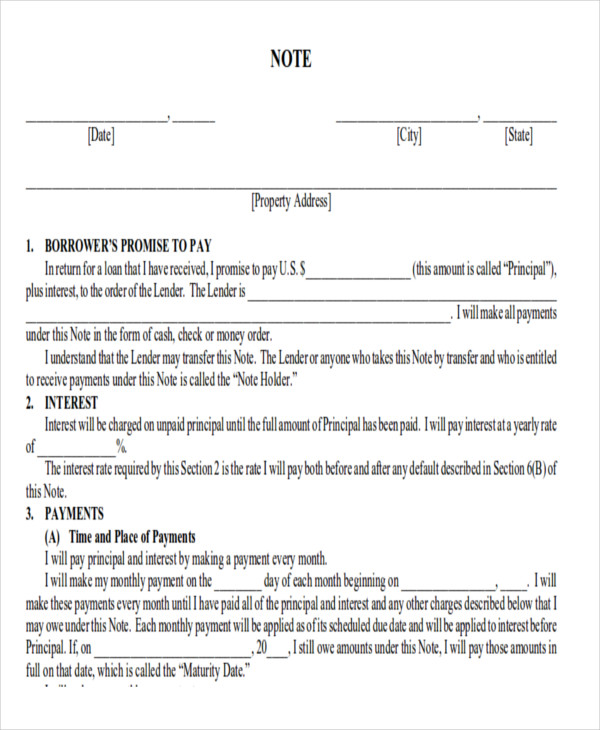
Navigating the complexities of real estate financing often involves a myriad of legal documents, each serving a critical purpose in securing a loan and defining the terms of repayment. Among these, the mortgage note stands as a foundational piece, a legally binding promise to repay a debt. For both lenders and borrowers, understanding and utilizing a robust Mortgage Note Template can streamline the process, ensure clarity, and safeguard against future disputes, providing a clear framework for the financial commitment involved in a property transaction.
This vital document outlines the specific financial agreement between the borrower (the mortgagor) and the lender (the mortgagee). It details not just the principal amount borrowed but also the interest rate, the payment schedule, and the consequences of defaulting on the loan. Without a properly executed mortgage note, the entire loan agreement lacks a crucial legal backbone, making it challenging to enforce repayment or define the borrower's obligations.
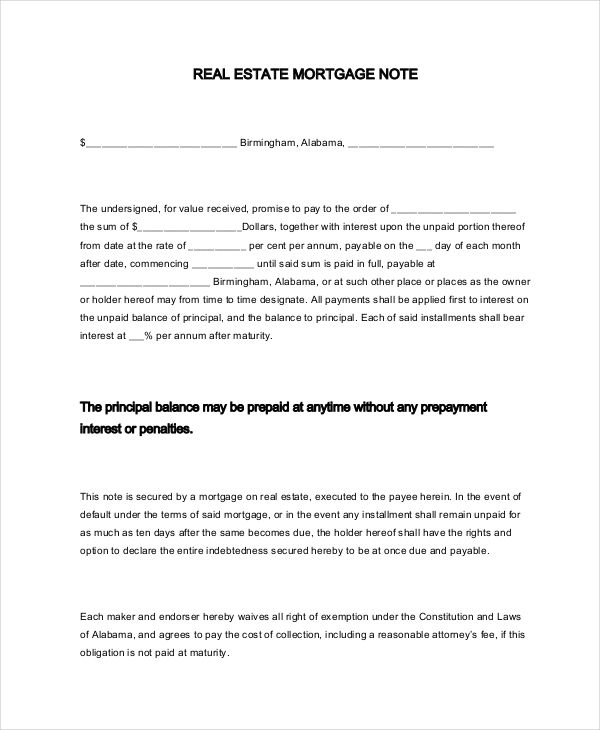
The need for precision and legal adherence in such documents cannot be overstated. Errors or omissions can have significant financial and legal repercussions for all parties involved. Therefore, having access to a well-crafted template is not merely a convenience; it's a strategic necessity that promotes accuracy and completeness, ensuring that all essential elements are addressed from the outset.
Understanding the Mortgage Note
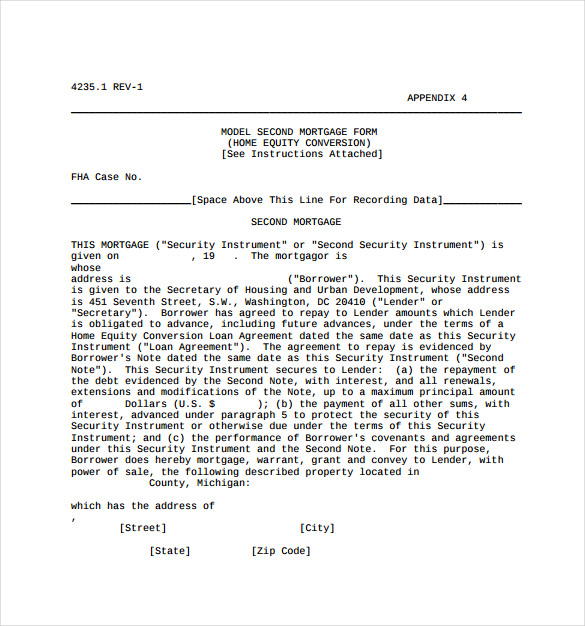
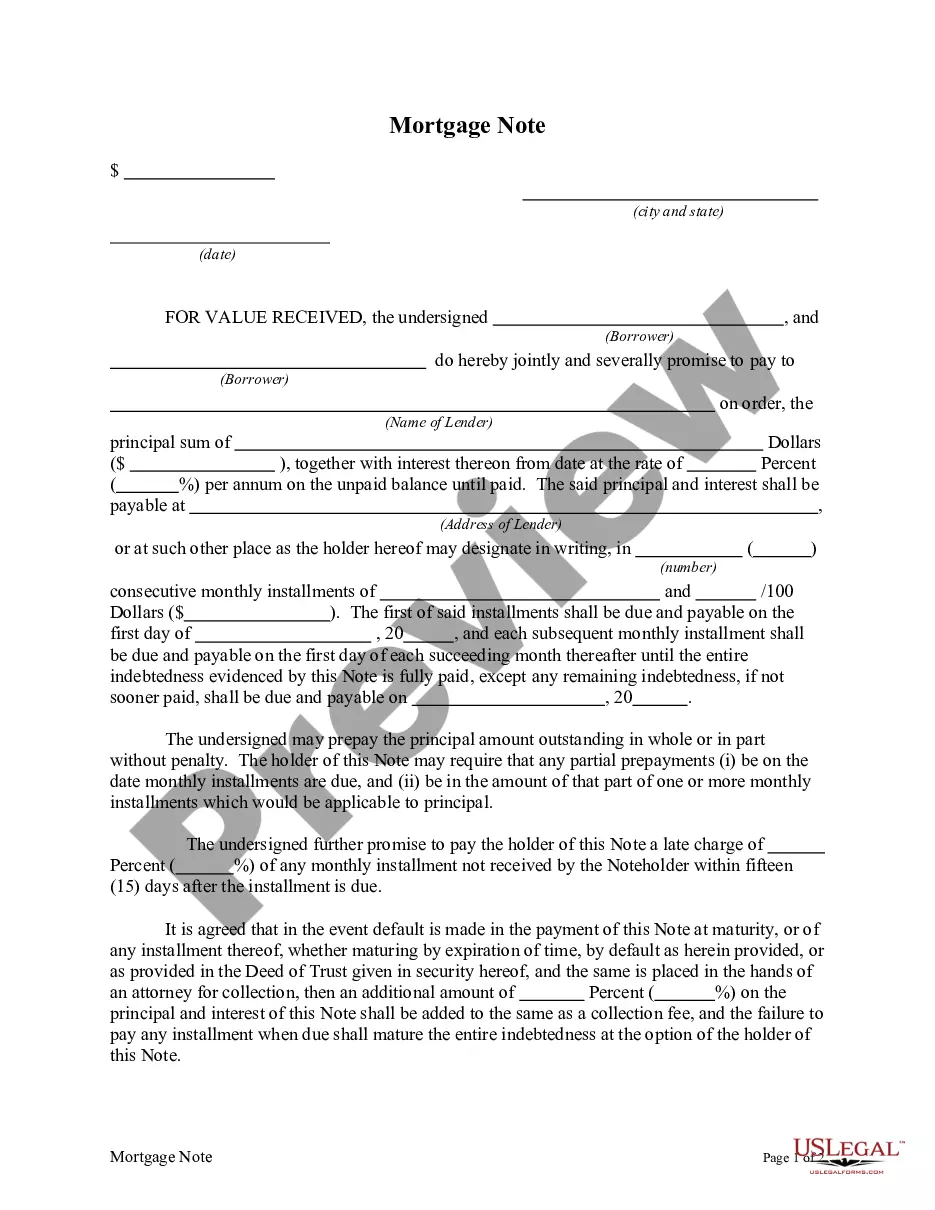
A mortgage note, also commonly referred to as a promissory note in the context of real estate, is a legally binding written promise by the borrower to repay a specific sum of money to the lender, according to agreed-upon terms. While often used interchangeably with "mortgage," it's crucial to understand their distinct roles. The mortgage note establishes the personal liability of the borrower to repay the loan, detailing the financial obligations. The actual mortgage deed or deed of trust, on the other hand, is the instrument that pledges the property as collateral for the debt defined in the note. In essence, the note creates the debt, and the mortgage secures it against the property.
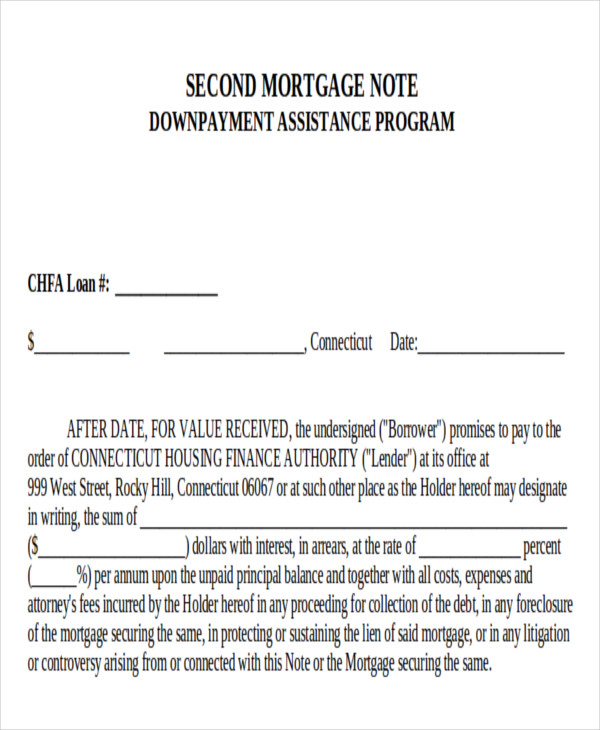
This document is typically executed at the closing of a real estate transaction and remains in effect until the loan is fully repaid. It serves as irrefutable proof of the debt and the terms of its repayment, providing a clear reference for both parties throughout the loan's duration. The ability to properly draft or review such a document is paramount for anyone involved in property financing.
The Indispensable Value of a Mortgage Note Template
Utilizing a high-quality Mortgage Note Template offers numerous advantages, making the complex process of loan documentation more manageable and reliable. For individuals or small businesses engaging in private lending, or even for seasoned professionals seeking consistency, a template is an invaluable resource. It ensures that no critical element is overlooked, adhering to established legal standards and best practices.
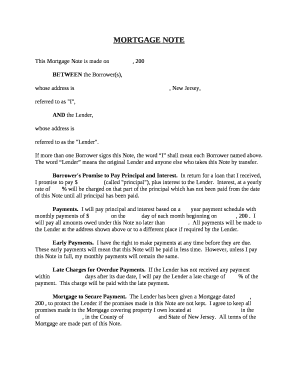
Firstly, a template provides efficiency. Instead of starting from scratch, parties can quickly populate pre-defined fields with specific loan details, significantly reducing the time and effort required to draft the note. This efficiency is particularly beneficial in time-sensitive transactions. Secondly, it promotes consistency and accuracy. A well-designed template includes all the standard clauses and legal language required, minimizing the risk of errors or omissions that could invalidate the note or lead to future disputes. This standardization helps ensure legal compliance across different transactions.
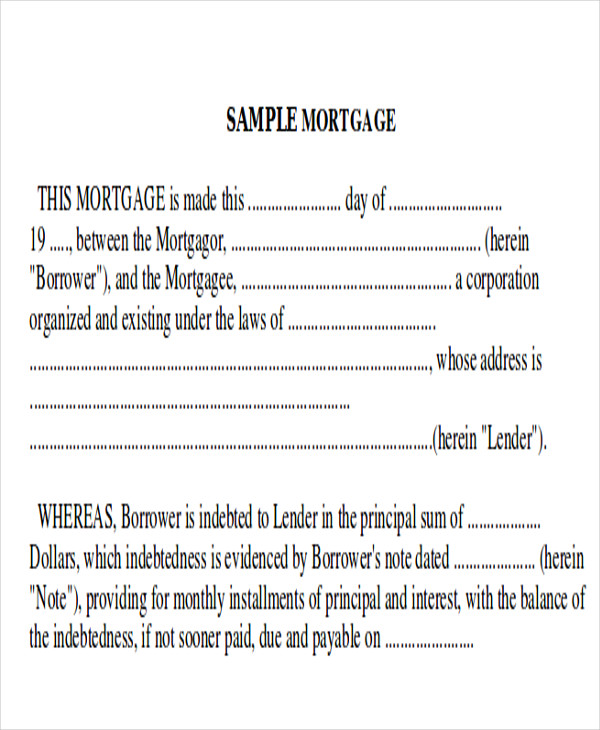
Furthermore, a template serves as an educational tool, guiding users through the various components required in a legal promissory note. It can help both borrowers and lenders understand their respective obligations and rights clearly. By providing a structured framework, a Mortgage Note Template contributes to greater transparency and reduces potential misunderstandings between the parties involved.
Key Components of an Effective Mortgage Note Template
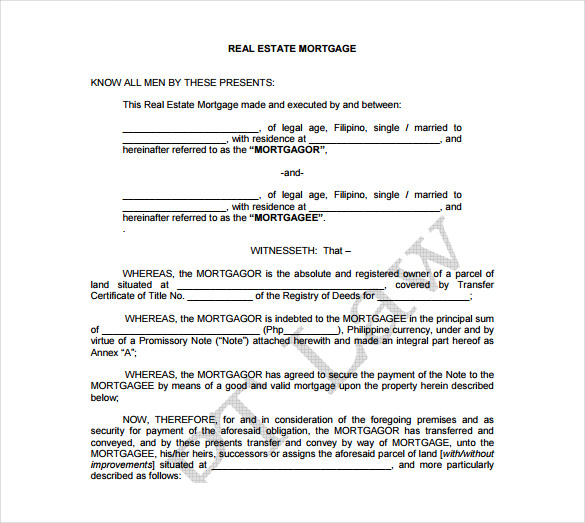
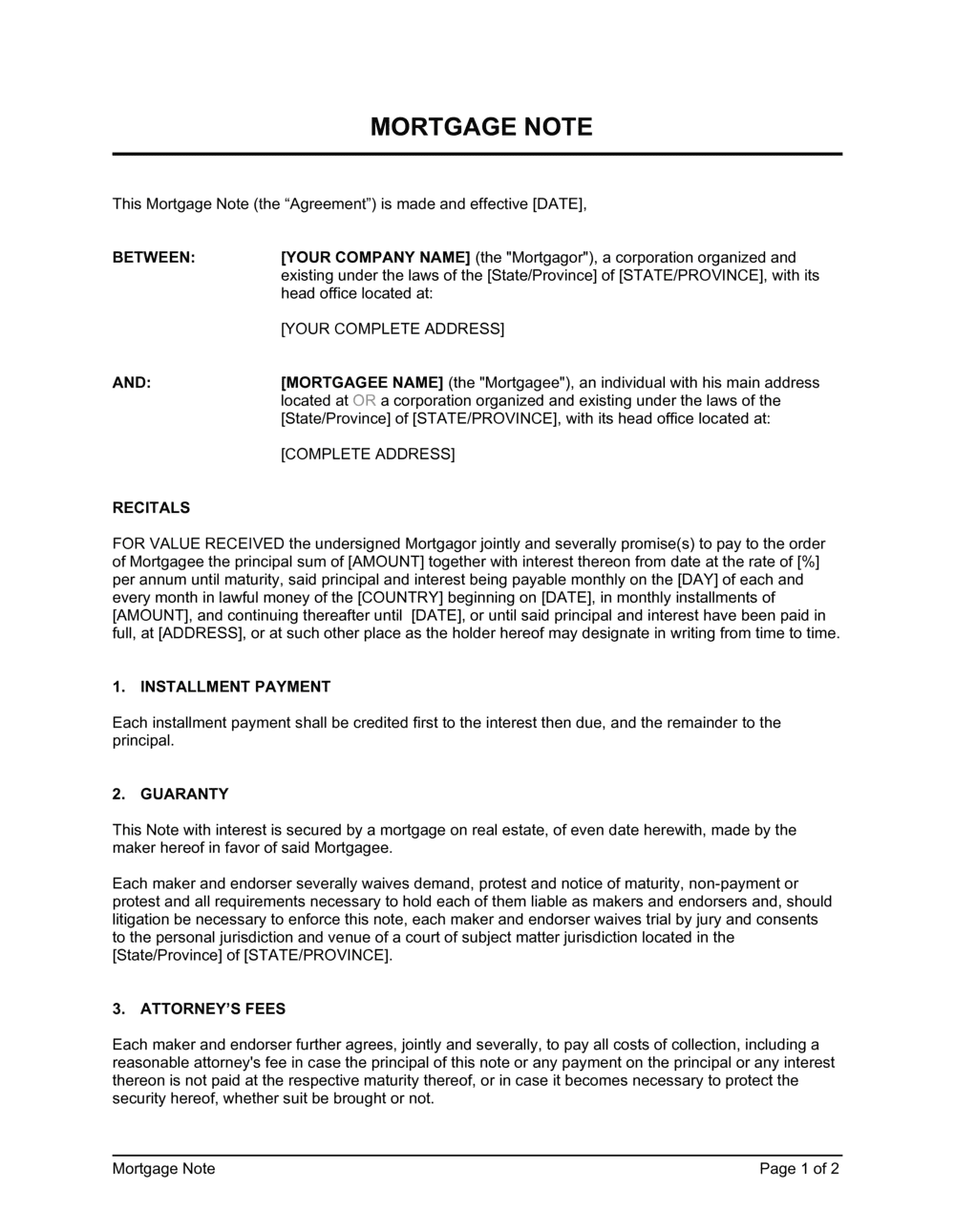
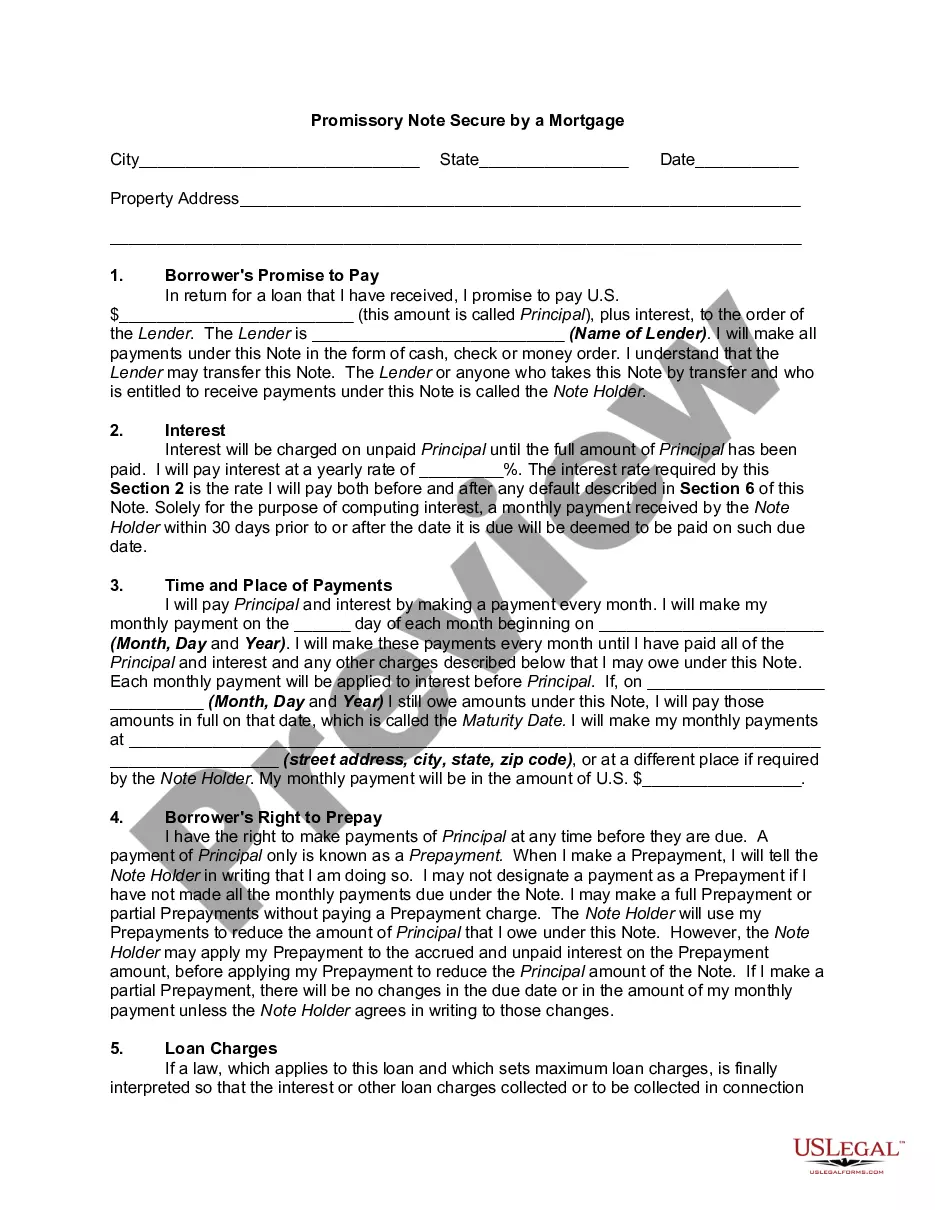
A comprehensive Mortgage Note Template must meticulously detail all aspects of the loan agreement to be legally sound and enforceable. Each section plays a vital role in defining the terms of the debt and the obligations of the parties.
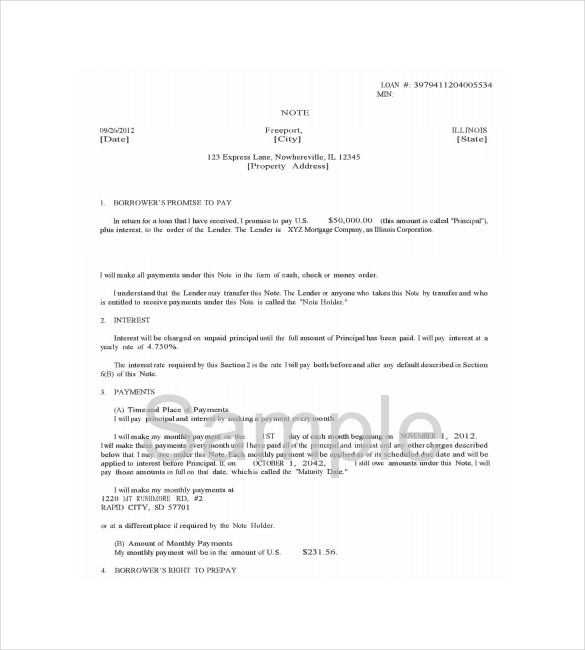
Parties Involved
The template begins by clearly identifying the borrower(s) (the party promising to repay the loan) and the lender(s) (the party providing the loan). Full legal names and addresses are essential for proper identification and enforceability.
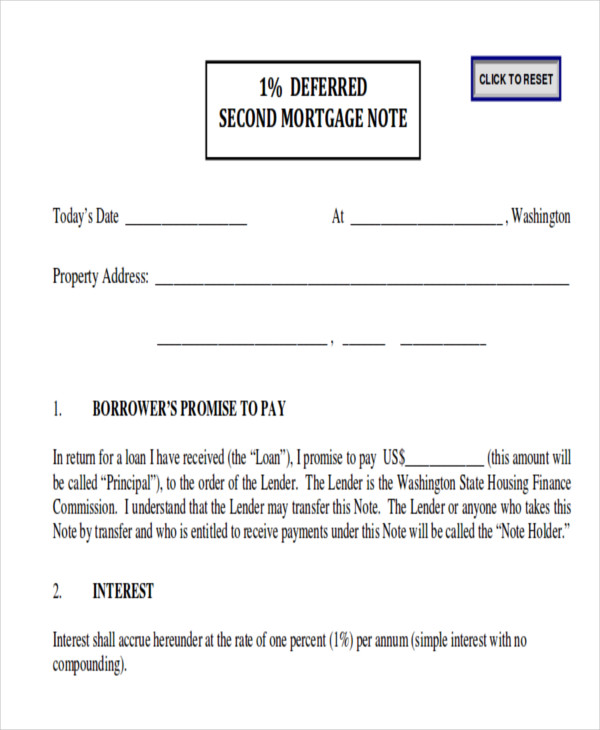
Principal Loan Amount
This section specifies the exact principal sum of money borrowed. It should be stated both numerically and in words to prevent any ambiguity.
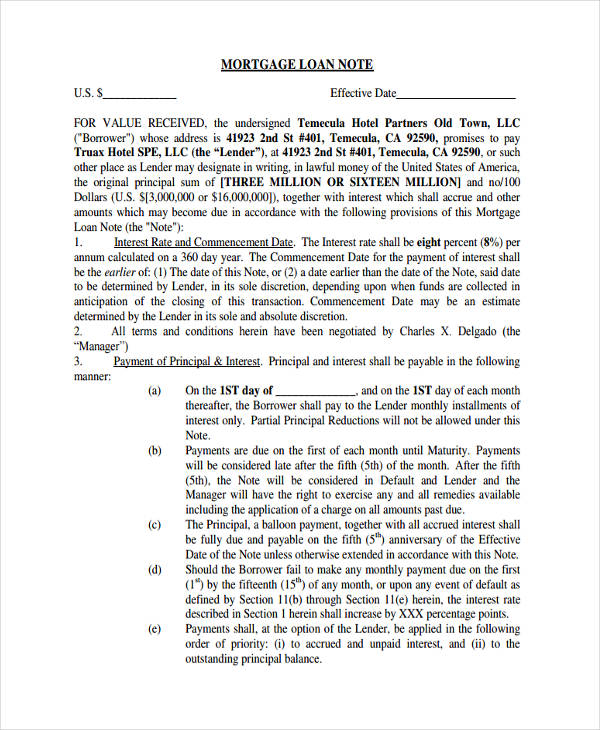
Interest Rate
The template must clearly state the interest rate applied to the principal amount. This includes whether it's a fixed rate for the life of the loan or an adjustable rate, outlining the index and margin for variable rates. It's crucial to specify how interest is calculated (e.g., annually, monthly) and if there are any initial grace periods or interest-only periods.

Payment Schedule and Terms
This is a critical section detailing how and when the loan will be repaid. It includes:
* Payment Amount: The exact amount of each scheduled payment.
* Payment Due Dates: The frequency of payments (e.g., monthly, quarterly) and the specific date each payment is due.
* Loan Term: The total duration over which the loan is to be repaid.
* Amortization Schedule: While often calculated separately, the note should reference how the principal and interest are allocated over the life of the loan.
* Maturity Date: The date when the entire loan balance, including any remaining principal and interest, becomes due and payable.
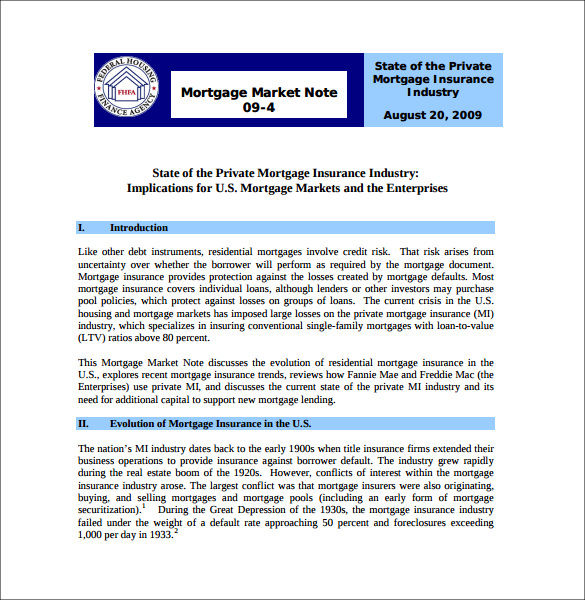
Late Payment Penalties and Grace Periods
To encourage timely payments, the template should specify any late fees or penalties incurred if a payment is not made by the due date. It should also define any grace period allowed before a payment is considered late.
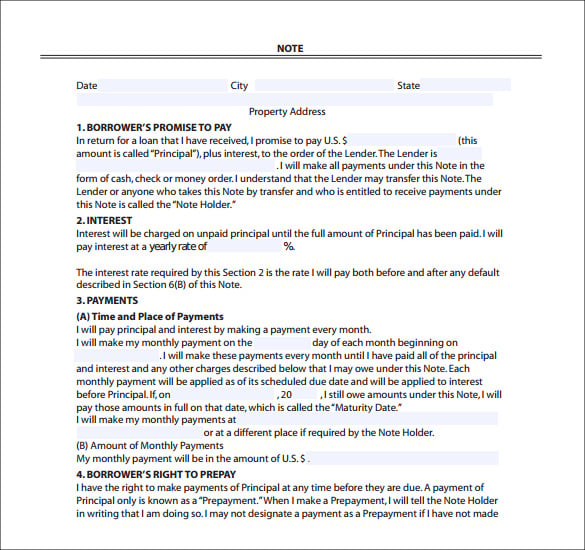
Default Clauses and Remedies
This section outlines what constitutes a default on the loan (e.g., failure to make payments, breach of other covenants). Crucially, it defines the lender's remedies in the event of default, which can include demanding immediate full payment of the outstanding balance (acceleration clause) or initiating foreclosure proceedings.
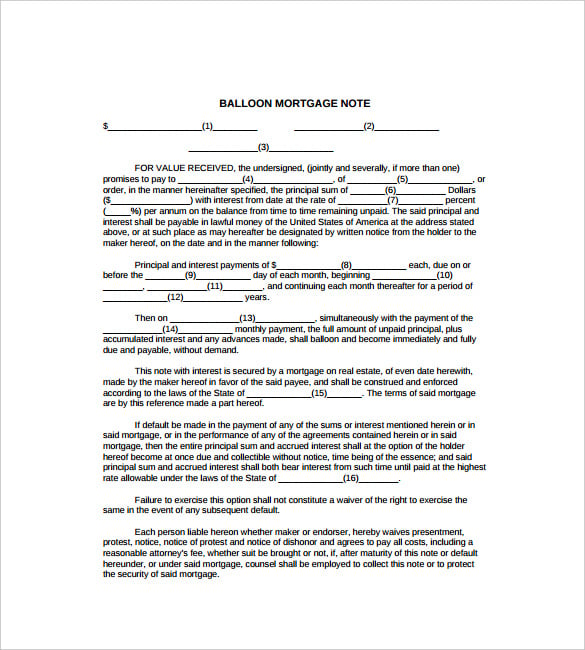
Prepayment Penalties
Some notes may include a clause for prepayment penalties, which charge a fee if the borrower pays off the loan earlier than scheduled. The template must clearly state if such penalties apply and how they are calculated.

Governing Law
This clause specifies which state's laws will govern the interpretation and enforcement of the mortgage note. This is particularly important for interstate transactions.
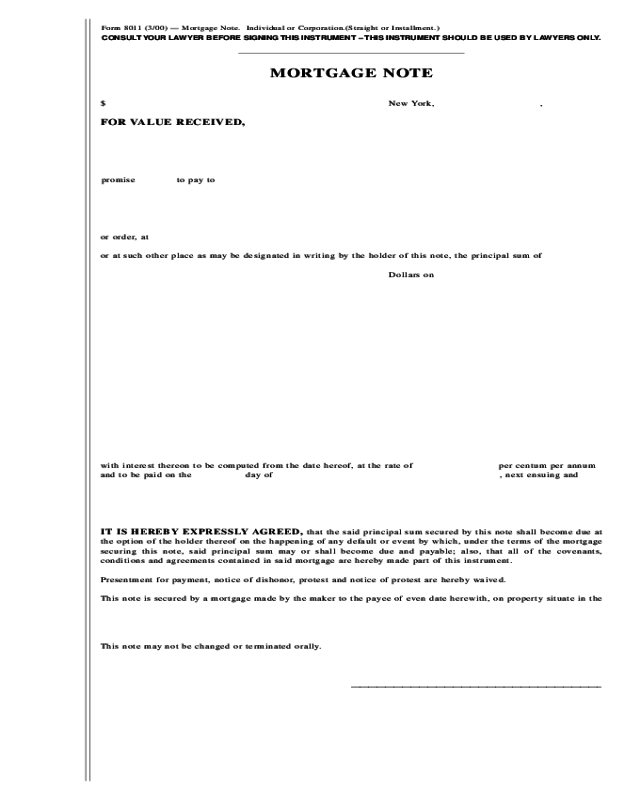
Signatures and Witnessing
The document concludes with spaces for the signatures of all parties involved (borrower and lender), often requiring witnesses or a notary public to attest to the signatures, enhancing its legal validity and enforceability.
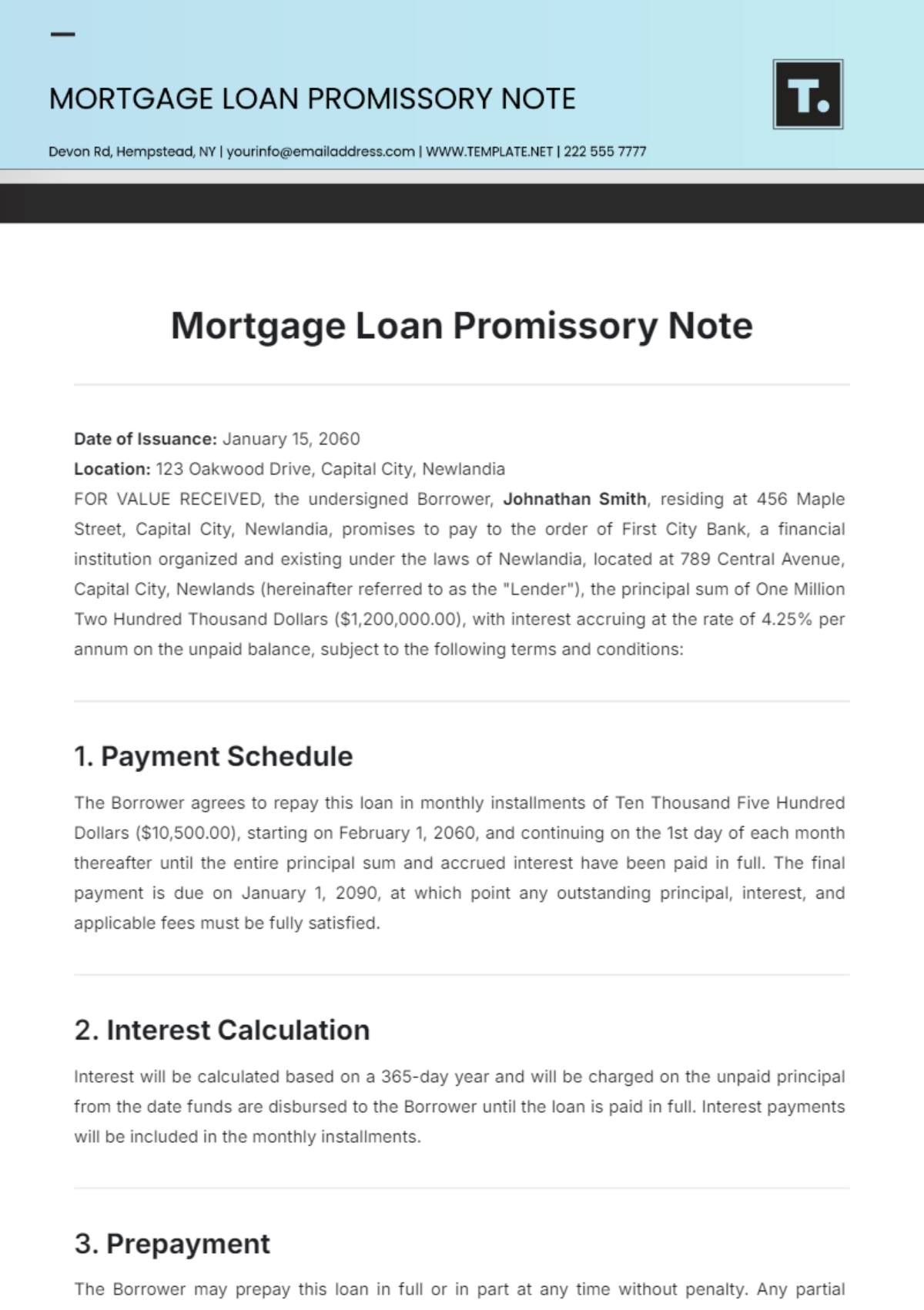
Legal Considerations and Compliance When Using a Mortgage Note Template
While a Mortgage Note Template offers an excellent starting point, it's crucial to understand the legal landscape surrounding such documents. Real estate and lending laws vary significantly by jurisdiction, and what is valid in one state may not be in another.

State-Specific Regulations
Each state has its own specific requirements for mortgage notes, including usury laws (limits on interest rates), disclosure requirements, and procedures for enforcing defaults. A generic template might not account for these nuances, making customization or legal review essential. For instance, some states have specific language that must be included, or certain clauses that are prohibited.
Usury Laws
Lenders must be particularly mindful of usury laws, which set maximum allowable interest rates. Charging interest above these limits can render the note unenforceable, or lead to significant penalties for the lender. A template should prompt users to verify compliance with local usury laws.
Disclosure Requirements
Many jurisdictions mandate specific disclosures to borrowers, particularly in consumer lending. These might include truth-in-lending disclosures, explanations of adjustable-rate features, or potential fees. While a template can't replace a full disclosure package, it should at least serve as a reminder of these obligations.
The Importance of Legal Counsel
Even with a robust Mortgage Note Template, engaging qualified legal counsel is highly recommended. An attorney can review the completed document to ensure it accurately reflects the agreement, complies with all applicable state and federal laws, and protects the interests of their client. This is especially true for complex transactions or when dealing with significant sums of money. A template is a tool, not a substitute for legal expertise.
Crafting or Customizing Your Mortgage Note Template
Whether you're starting with a blank slate or adapting an existing form, certain principles apply to creating an effective Mortgage Note Template. The goal is clarity, comprehensiveness, and compliance.
Start with a Reputable Source
If you're using a pre-existing template, ensure it comes from a reputable legal resource or a professional organization specializing in real estate finance. Generic online templates may lack the necessary detail or legal safeguards.
Tailor to Specifics
No two loan agreements are exactly alike. The template should be flexible enough to accommodate unique loan terms, such as balloon payments, interest-only periods, or specific conditions for acceleration. Always customize the boilerplate language to fit the precise agreement between the borrower and the lender. This involves accurately filling in all blanks and removing any clauses that do not apply to your specific situation.
Use Clear and Unambiguous Language
Avoid jargon where possible, and when legal terms are necessary, ensure they are used consistently and correctly. The language should be easy for both parties to understand, leaving no room for misinterpretation. Ambiguity can lead to costly legal disputes down the line.
Include All Essential Clauses
Double-check that your template includes all the previously mentioned key components: identification of parties, loan amount, interest rate, payment schedule, default provisions, and governing law. Missing even one crucial element can weaken the enforceability of the note.
Review and Update Regularly
Laws change. A template that was compliant five years ago might not be today. Regularly review your Mortgage Note Template to ensure it remains up-to-date with current legal requirements and industry best practices. This proactive approach helps maintain the integrity and enforceability of your lending documents.
Beyond the Template: The Mortgage Note in Practice
It's essential to understand how the mortgage note functions in conjunction with other crucial real estate documents. While the note establishes the debt, it's the mortgage deed (or deed of trust in some states) that secures this debt against the property. The deed places a lien on the property, giving the lender the right to foreclose if the borrower defaults on the terms outlined in the mortgage note.
Without the mortgage note, the mortgage deed would have nothing to secure; without the mortgage deed, the note would be an unsecured loan, meaning the lender would have no specific property to claim in the event of default, only a general claim against the borrower's assets. Therefore, both documents are intrinsically linked and must be executed correctly and simultaneously to form a complete and enforceable real estate loan transaction. Properly using a Mortgage Note Template ensures that the foundation of the debt is sound, providing a strong basis for the accompanying security instrument.
Common Mistakes to Avoid When Using a Mortgage Note Template
Even with a well-designed template, certain pitfalls can undermine the validity and effectiveness of a mortgage note. Being aware of these common errors can help ensure a smooth and legally sound transaction.
Incomplete Information
Leaving blanks or providing vague details for critical elements such as the principal amount, interest rate, or payment schedule can render the note unenforceable. Every field in the Mortgage Note Template should be meticulously filled out.
Inconsistent Terms
Ensure that the terms in the mortgage note are consistent with those in other related documents, such as the loan agreement, disclosure statements, and the mortgage deed itself. Discrepancies can lead to confusion and legal challenges.
Ignoring State-Specific Requirements
As mentioned, failing to adapt the template to comply with specific state laws, especially regarding interest rates (usury laws) or required disclosures, can invalidate the note or expose the lender to penalties. A generic Mortgage Note Template might require significant localization.
Improper Execution
The note must be properly signed by all necessary parties, and often witnessed or notarized according to state law. Incorrect execution can render the document legally deficient. Always verify the signature requirements for your jurisdiction.
Lack of Understanding
Both borrower and lender should fully understand all terms and conditions outlined in the mortgage note. Simply filling in the blanks of a template without comprehending the legal implications of each clause can lead to unexpected consequences. Always encourage clear communication and seek clarification on any confusing terms.
Conclusion
The mortgage note is an indispensable legal instrument in real estate financing, serving as the borrower's unequivocal promise to repay a debt. Its importance cannot be overstated, as it meticulously outlines the financial obligations, interest rates, payment schedules, and consequences of default. For anyone involved in lending or borrowing for property, utilizing a robust and carefully customized Mortgage Note Template is not just a convenience, but a critical step towards ensuring clarity, accuracy, and legal enforceability. While templates offer a powerful framework, it is paramount to customize them to specific transaction details, adhere to local and federal regulations, and, when in doubt, seek professional legal counsel. By doing so, both lenders and borrowers can navigate the complexities of real estate loans with confidence, safeguarding their interests and fostering transparent, legally sound financial agreements.
0 Response to "Mortgage Note Template"
Posting Komentar