Capturing the richness of human behavior, environmental interactions, or system processes requires more than just a keen eye; it demands a structured approach to recording what you see. For researchers, designers, educators, and scientists, the quality of their insights is directly tied to the quality of their data. A disorganized collection of scribbled notes can easily become a confusing mess, making analysis impossible. This is where a well-designed Observation Field Notes Template becomes an indispensable tool, transforming raw, fleeting moments into structured, analyzable data. It acts as a framework, guiding the observer to capture not only the obvious events but also the subtle nuances and contextual details that often hold the most valuable insights.
This structured approach brings discipline to the art of observation. Without a template, observers may unconsciously focus only on what they find interesting, leading to biased or incomplete data sets. A template standardizes the data collection process, ensuring that critical information—like the date, time, setting, and participants—is consistently recorded across every session and by every team member. This consistency is the bedrock of reliable qualitative research, enabling meaningful comparisons and pattern recognition during the analysis phase.
Furthermore, a thoughtfully crafted template reduces the cognitive load on the observer in the field. Instead of trying to remember every category of information they need to capture, they can focus their full attention on the unfolding events. The template serves as a checklist and a guide, prompting them to look for specific types of interactions, environmental factors, or user behaviors. It creates a clear distinction between objective description and subjective interpretation, a critical separation that enhances the credibility and rigor of the findings.
This article serves as a comprehensive guide to understanding, creating, and utilizing observation field notes. We will delve into the essential components of a robust template, explore how to customize it for various disciplines—from UX research to classroom observation—and provide practical examples you can adapt for your own work. By the end, you will be equipped to move beyond haphazard note-taking and start gathering systematic, high-quality observational data that fuels powerful discoveries.
What Are Observation Field Notes?
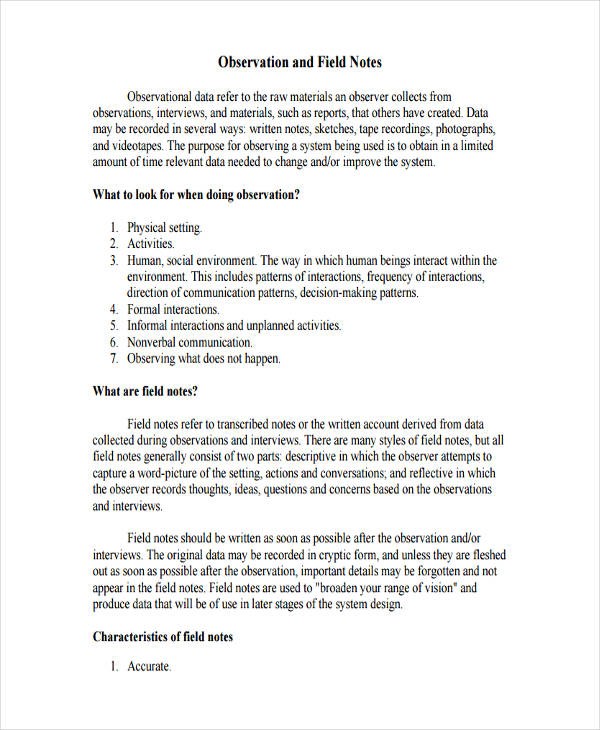
Observation field notes are the primary record of data collected during qualitative research or fieldwork. They are detailed, descriptive, and written accounts of what an observer sees, hears, and experiences in a natural setting. The core purpose of field notes is to capture the "raw data" of a moment in as much detail as possible, preserving the context and richness of the observed phenomena. They are not just simple jottings; they are a systematic attempt to document events, behaviors, conversations, and the physical and social environment in which they occur.
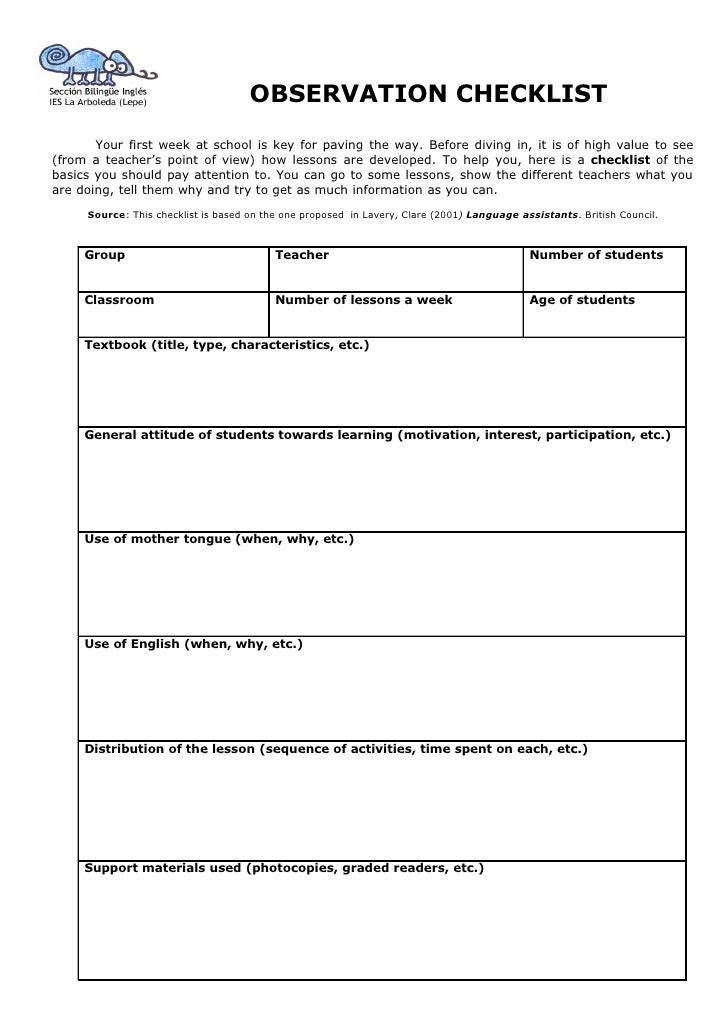
These notes form the foundation for later analysis and interpretation. They allow the researcher to revisit the observation session long after it has concluded, enabling them to identify patterns, develop theories, and draw conclusions based on a detailed and accurate record. Effective field notes are often characterized by their "thickness," a term used in qualitative research to describe the rich, multi-layered detail that allows a reader to feel as if they were present at the scene.
To achieve this level of detail, researchers typically create different types of notes, often within the same observation session:
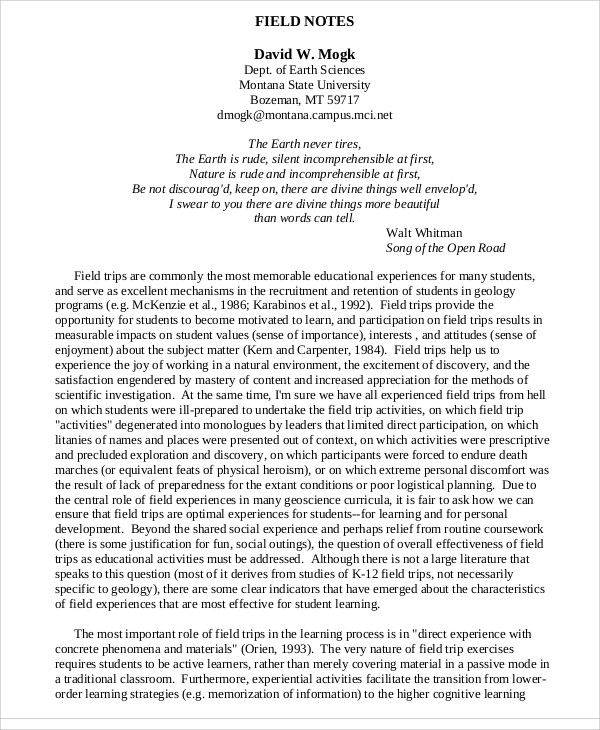
- Descriptive Notes: This is the objective core of the field notes. It involves recording concrete, sensory details about the setting, people, and events. What did the room look like? Who was present? What was said verbatim? What sequence of actions took place? The goal is to paint a vivid picture using factual language, avoiding interpretation or judgment.
- Analytic Notes: These are the researcher's initial thoughts, ideas, and interpretations that arise during the observation. They represent the first step in making sense of the data. This might include noting a potential pattern, questioning a participant's motivation, or connecting a current observation to a previous one or to an existing theory.
- Reflective Notes: This type of note focuses on the researcher's own experiences, feelings, and biases. How did the observation make them feel? Did their presence seem to influence the participants' behavior? Acknowledging the researcher's own role and perspective is crucial for maintaining transparency and rigor in qualitative inquiry.
A good template will provide a structured way to capture all these different layers of information, ensuring a comprehensive and well-rounded record of the observation.
Why a Standardized Template is Essential for Effective Observation
While the act of observation can feel fluid and spontaneous, the process of recording it benefits immensely from structure. Relying on a blank notebook can lead to inconsistent and incomplete data, especially in long-term studies or projects involving multiple observers. A standardized template is the key to unlocking systematic, reliable, and analyzable qualitative data.

Consistency Across Observations and Observers
For any research to be credible, the method of data collection must be consistent. An Observation Field Notes Template ensures that every observer, regardless of their individual style, captures the same foundational information in every session. This includes critical metadata like date, time, location, and participant identifiers. When all observations are structured in the same way, it becomes significantly easier to compare data across different sessions, locations, or time periods, which is essential for identifying trends, changes, or anomalies.

Reduces In-the-Moment Cognitive Load
Observing a complex social interaction or user behavior requires immense focus. Trying to simultaneously observe, remember what to look for, and decide how to structure your notes can be overwhelming. A template offloads a significant portion of this cognitive burden. The predefined sections and prompts act as a mental scaffold, guiding your attention and ensuring you don't forget to document critical aspects of the situation. This frees you up to concentrate on what's actually happening, leading to deeper and more nuanced observations.
Facilitates More Efficient Data Analysis
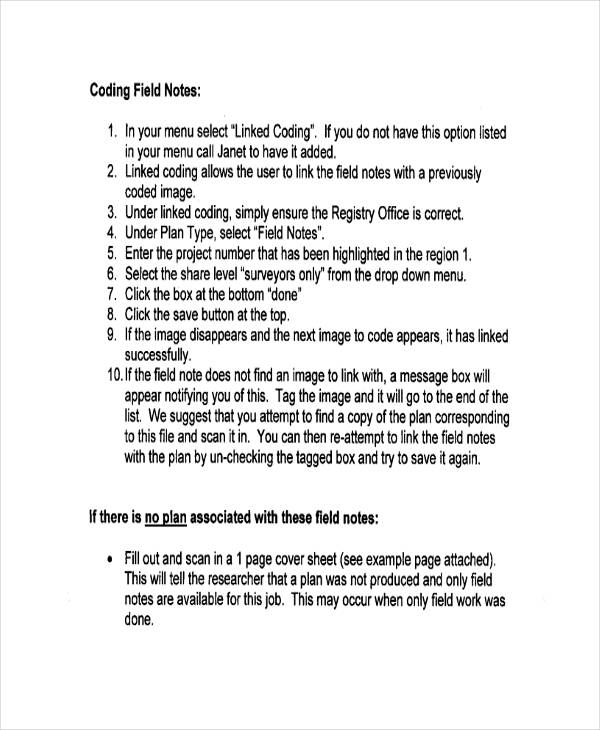
The ultimate goal of taking notes is to analyze them. Unstructured, narrative-style notes can be incredibly time-consuming to sift through and code. A well-structured template organizes information from the moment it's recorded. Using distinct sections or columns for descriptive notes, analytic insights, and participant quotes makes the process of coding, categorizing, and retrieving specific information exponentially faster. You can quickly scan for patterns in user actions, recurring themes in conversations, or environmental factors that influence behavior, dramatically streamlining your analysis workflow.

Prevents the Omission of Critical Information
In the heat of an observation, it's easy to forget small but crucial details. Did you write down the start and end time? Did you describe the physical layout of the room? Did you note who was present? A template acts as a built-in checklist, prompting you to record all the necessary contextual information that might seem minor at the moment but could prove vital during analysis. This systematic approach ensures your data set is complete and robust, preventing frustrating gaps in your records down the line.
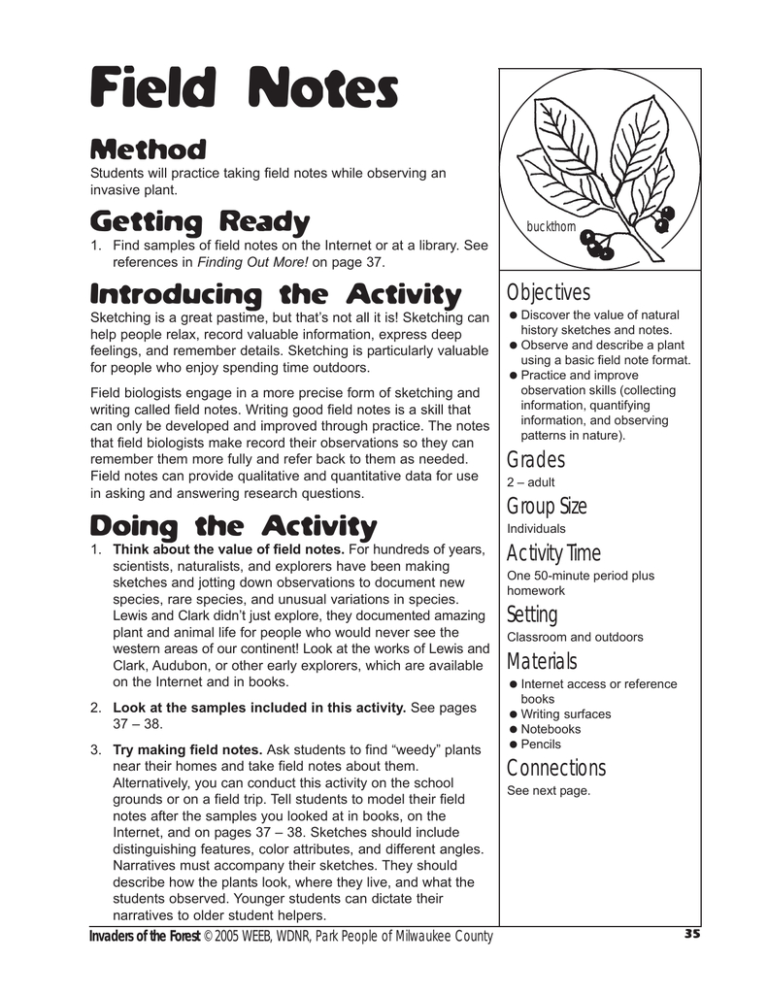
Key Components of an Effective Observation Field Notes Template
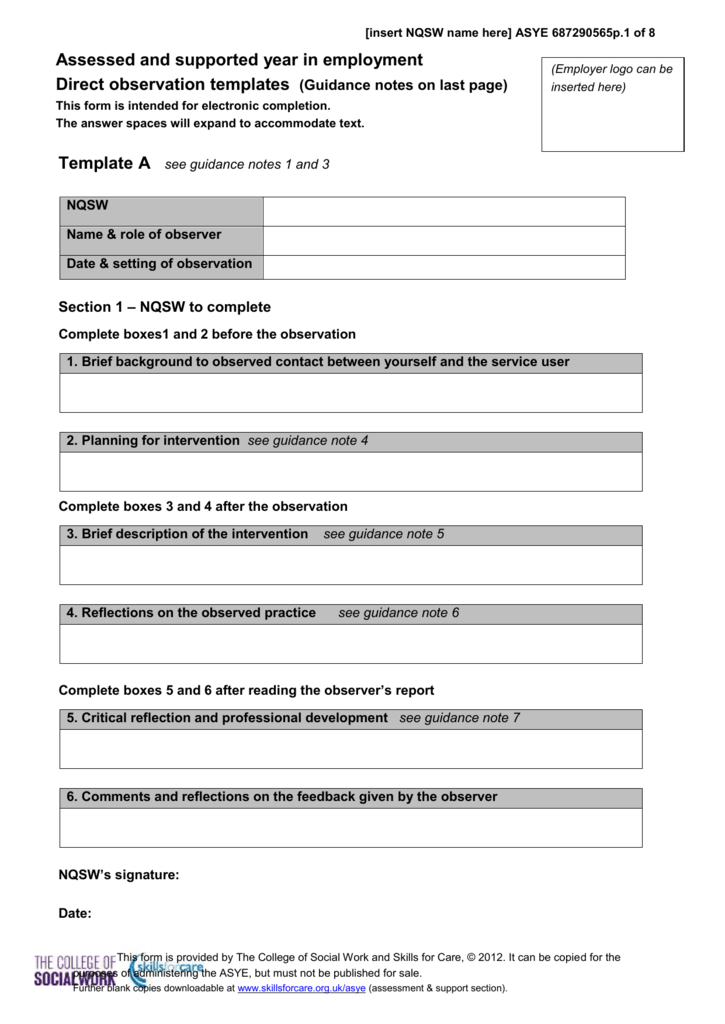
A powerful observation template is more than just a blank page with lines; it's a structured tool designed to guide your focus and organize your thoughts. While templates should be adapted to specific project needs, a comprehensive one generally includes several core components.
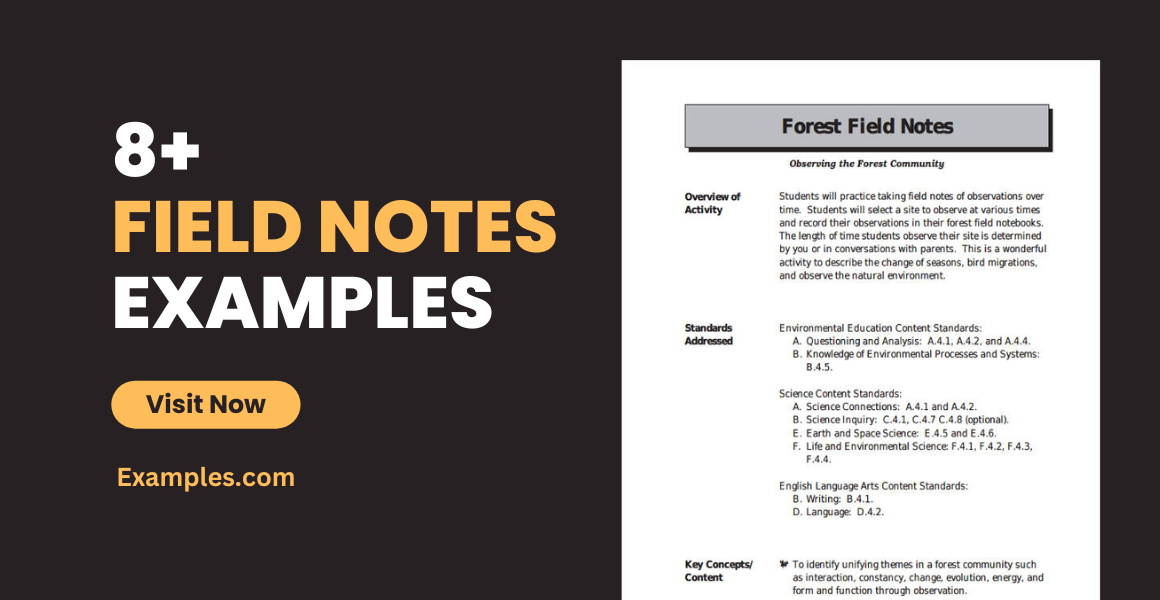
Foundational Metadata
This section captures the essential context of the observation and should be filled out before you begin. It ensures every note set is properly labeled and easy to reference later.
* Project/Study Title: The name of the research project.
* Observer's Name: Who is conducting the observation.
* Session ID/Number: A unique identifier for the observation session (e.g., S-01, S-02).
* Date: The full date of the observation.
* Start and End Time: The precise time the observation period began and concluded.
* Location/Setting: A detailed description of the physical environment (e.g., "Quiet corner of a public library," "Bustling open-plan office," "Sunny public park near the playground"). Note any relevant conditions like weather, noise level, or lighting.
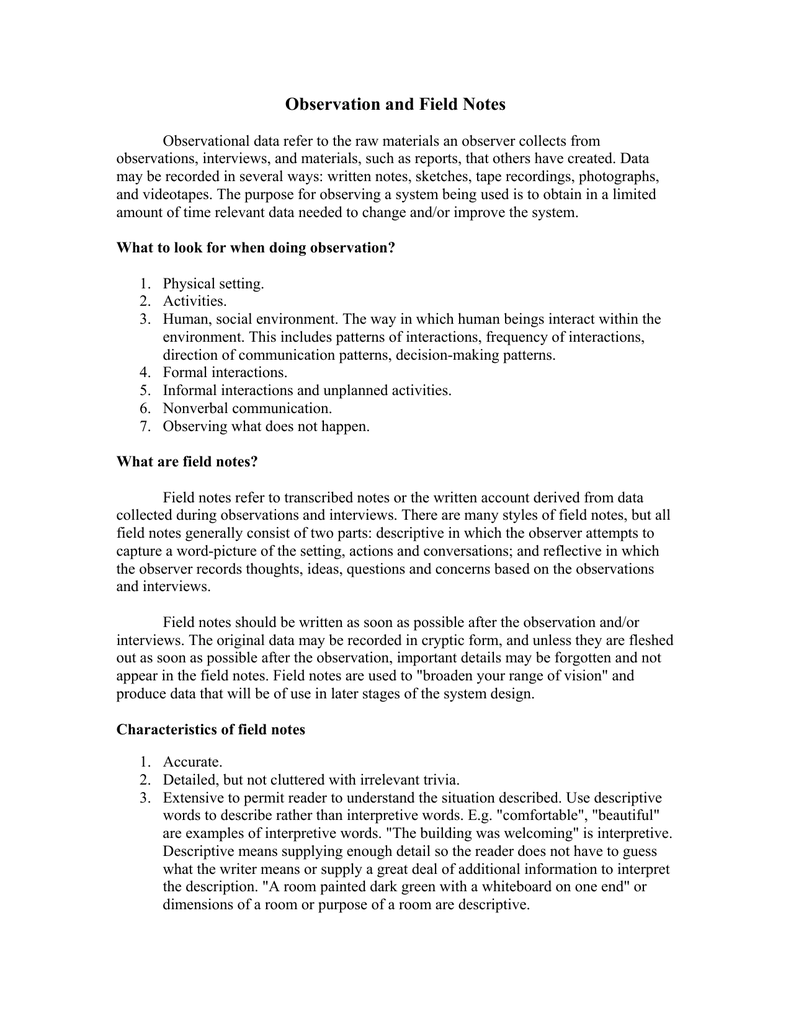
Participant Information (If Applicable)
When observing people, it's crucial to document who is involved. Anonymity and privacy should always be maintained by using pseudonyms or codes.
* Participant ID(s): Anonymous identifiers for each key person being observed (e.g., P1, P2, Teacher A).
* Demographics: Relevant demographic data, such as age range, gender, or role (e.g., "P1: Male, 30s, Project Manager").
* Number of People Present: The total count of individuals in the observed space.
* Relationships: A brief note on the observed relationships between participants (e.g., "P1 is P2's manager," "Group of college friends").
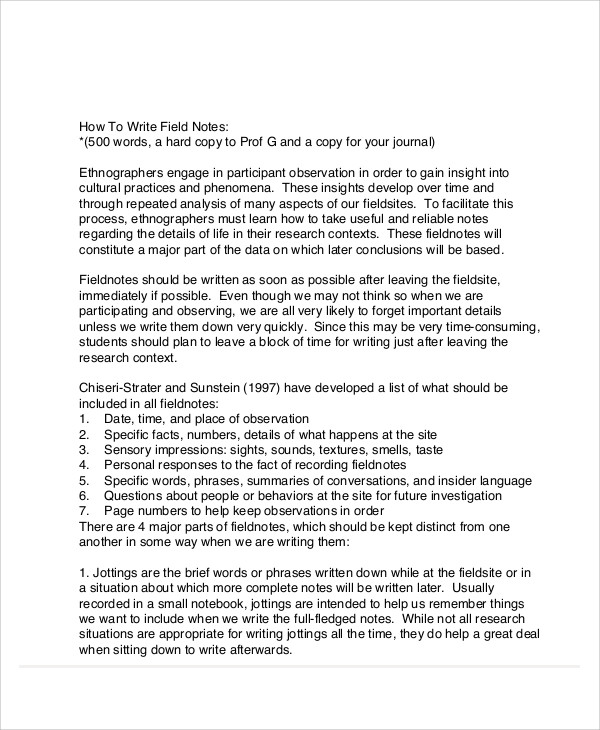
The Observation Log
This is the main body of your template, where you record what happens. The most effective structure for this section is often a table or a two-column layout to clearly separate objective facts from subjective thoughts.
* Timestamp Column: A column to log the time of specific events. This helps reconstruct the sequence and duration of actions.
* Descriptive Notes Column (The "What"): This is for purely objective, factual descriptions. Record what you see and hear. Use concrete, specific language. For example, instead of "The user was confused," write "User frowned, squinted at the screen for 15 seconds, and said 'I don't know where to click.'"
* Analytic/Reflective Notes Column (The "So What?"): This is where you capture your interpretations, questions, hypotheses, and personal reflections. For example, next to the descriptive note above, you might write, "The 'Next' button's low contrast might be causing visibility issues. Is the terminology unclear? I feel a sense of frustration on their behalf."

Sketches and Diagrams
A picture can be worth a thousand words. Include a dedicated space for visual notes. This is invaluable for capturing:
* Layouts: The physical arrangement of a room, a website's interface, or a workspace.
* Interactions: Diagrams showing the movement of people, the flow of a conversation, or how a user navigates a system.
* Objects: Sketches of tools, artifacts, or objects that play a key role in the observation.

Summary and Key Takeaways
At the end of the observation session (or shortly after), use this section to synthesize your thoughts.
* Summary of Events: A brief, high-level overview of what happened during the session.
* Key Observations/Insights: List the 3-5 most important, surprising, or interesting things you observed.
* Questions for Follow-up: Note any new questions that arose that might guide future observations or interviews.
Tailoring Your Template for Different Fields
The universal components of a field notes template provide a solid foundation, but the true power of a template lies in its customization. Different fields have unique goals and require a focus on different types of data.
For UX Research & Product Design
In UX research, the goal is to understand how users interact with a product or service to identify pain points and opportunities for improvement.
* Focus: User actions, task flows, usability issues, emotional responses (frustration, delight), and direct quotes.
* Custom Sections: Consider adding columns for User Goal (what were they trying to achieve?), Action Taken (what specific steps did they take?), and System Response. The AEIOU framework (Activities, Environments, Interactions, Objects, Users) is also highly effective here.
For Education & Classroom Observation
Educators and researchers observe classrooms to understand teaching methods, student engagement, and the learning environment.
* Focus: Teacher-student interactions, student-to-student collaboration, time on-task, use of learning materials, and classroom management techniques.
* Custom Sections: A template might include a checklist for specific pedagogical strategies being observed or a seating chart diagram to map student participation. Timestamps are crucial for tracking the pacing of a lesson.
For Anthropology & Ethnography
Ethnographers immerse themselves in a community to understand its culture, social structures, and practices from an insider's perspective.
* Focus: Rich, "thick" descriptions of rituals, social norms, language use, and the meaning people assign to objects and actions.
* Custom Sections: These templates often have more unstructured space for long-form narrative descriptions. The separation between descriptive and reflective notes is paramount to managing the researcher's own positionality and biases. Diagrams of social networks or community spaces are also common.
For Scientific & Environmental Studies
Scientists conducting fieldwork, such as biologists or ecologists, need to record systematic data about the natural world.
* Focus: Specific behaviors of animals, plant species counts, environmental measurements, and changes over time.
* Custom Sections: The template would be highly structured, with predefined fields for quantitative data like temperature, wind speed, GPS coordinates, species names, and frequency counts. Checklists and standardized measurement tables are essential for ensuring data integrity.
Free Downloadable Observation Field Notes Template Examples
To make these concepts concrete, here are descriptions of three popular and effective templates. You can easily recreate these in a word processor, spreadsheet program, or a dedicated note-taking app.
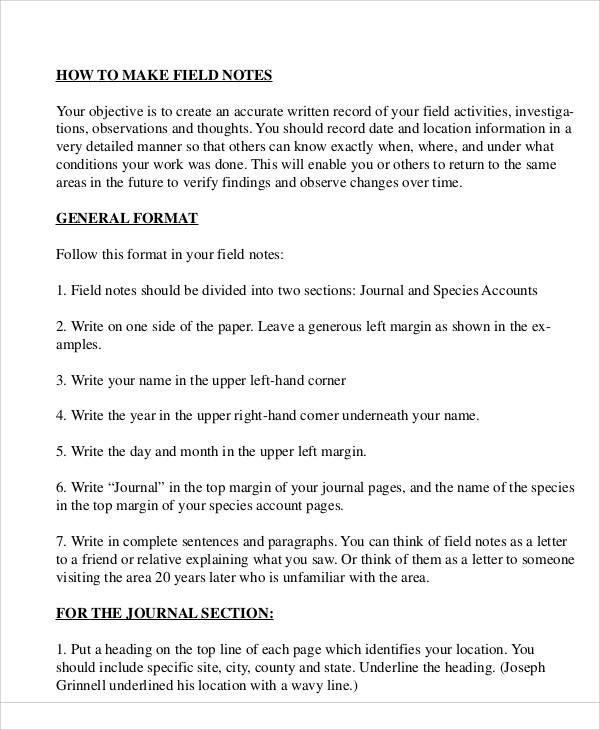
The Two-Column Template
This is the most straightforward and widely used format. Its strength lies in its simplicity and the clear separation it enforces between observation and interpretation.
| Timestamp | Descriptive Notes (Objective - What I See & Hear) | Analytic/Reflective Notes (Subjective - My Thoughts & Interpretations) |
|---|---|---|
| 10:05 AM | P1 opens the app, scrolls through the main feed for 30 seconds without clicking. Frowns. | Initial engagement seems low. Is the content not relevant? The frown suggests mild frustration or confusion. |
| 10:06 AM | P1 says, "I'm looking for my profile." Taps on the 'Menu' icon in the top left. | The term "Profile" is in the user's mental model. Is it easily discoverable within our "Menu" structure? |
| 10:07 AM | Scans the menu, missing the 'My Account' link. Taps 'Settings' instead. | 'My Account' might not be a strong enough information scent. Consider renaming to 'Profile & Account'. |
The Cornell Method Template
Adapted from the popular student note-taking system, the Cornell method is excellent for post-observation review and analysis. The page is divided into three sections.
- Main Notes Area (Right Side): During the observation, you take detailed descriptive notes in this large column, just as you would with the two-column method.
- Cue Column (Left Side): After the observation, you review your main notes and pull out key themes, questions, or keywords into this narrower left-hand column. This acts as an index for your notes.
- Summary Area (Bottom): At the very bottom of the page, you write a one- or two-sentence summary of the entire observation session. This forces you to synthesize the most critical takeaways.
The AEIOU Framework Template
This framework is a powerful tool, especially in design and UX research, because it provides five specific lenses through which to view the environment. It helps ensure a holistic observation.
- Activities: What are people doing? What are the specific tasks and processes they are engaged in? (e.g., Making coffee, collaborating on a spreadsheet).
- Environments: What is the character and function of the space? What is the overall atmosphere? (e.g., Noisy open-plan office, bright lighting, shared desks).
- Interactions: What are the interactions between people, or between people and objects? What is the nature of these interactions? (e.g., Two people having a brief, whispered conversation over a monitor).
- Objects: What are the key objects and artifacts in the space, and how are they used? (e.g., Whiteboards covered in sticky notes, personal mugs, noise-canceling headphones).
- Users: Who are the people being observed? What are their roles, goals, and values? (e.g., Project managers trying to coordinate deadlines, junior developers focused on coding).
Best Practices for Taking High-Quality Field Notes
Having a great template is only half the battle. How you use it determines the quality of your data. Adhering to best practices will elevate your field notes from simple records to rich, insightful data sets.
Be Descriptive, Not Judgmental
Your primary goal in the descriptive column is to be a human camera. Record what you see and hear with concrete, specific language. Avoid interpretive or judgmental words.
* Instead of: "The meeting was boring."
* Write: "For the first 20 minutes of the meeting, three of the five participants were looking at their phones. P2 yawned twice. There were no questions asked after the presentation."
Use Abbreviations and Shorthand
Field observations happen in real-time, and you won't be able to write down everything longhand. Before you start, develop a consistent system of shorthand and abbreviations for common words, names (using codes like P1, T1), and actions. Keep a key for your shorthand on the first page of your notebook or document so you (and others) can decipher it later.
Capture a Range of Data Types
Don't limit yourself to words. Your template should have space for other forms of data. Draw a quick map of the room layout. Sketch the user interface that is causing confusion. Diagram the flow of foot traffic through a space. If permitted and appropriate, supplement your written notes with photos, audio recordings, or video to capture data you might miss.
Review and Expand Your Notes Promptly
Your jottings and shorthand notes are a starting point. Your memory of the event is a critical part of the data, but it fades quickly. It is essential to block out time within 24 hours of every observation session to review and "flesh out" your notes. Clarify cryptic phrases, expand on abbreviations, fill in details you remember but didn't have time to write down, and add more to your analytic/reflective column. This process transforms your raw jottings into a permanent, detailed record.
Conclusion
An observation field notes template is far more than a simple document; it is the fundamental tool that brings structure, consistency, and rigor to the complex task of qualitative observation. By moving away from unstructured note-taking to a systematic approach, researchers, designers, and professionals across all fields can significantly enhance the quality and reliability of their data. A well-designed template ensures no critical detail is missed, reduces cognitive load, and, most importantly, lays a clean, organized foundation for efficient and insightful analysis.
We've explored the core components of a versatile template, from foundational metadata to the crucial separation of description and reflection. We've also seen how this base model can be powerfully adapted to meet the specific needs of diverse disciplines, whether it's tracking user pain points in UX research or documenting complex social rituals in ethnography.
The true value of a template is realized when it becomes a natural part of your workflow. Start with one of the examples provided—the simple two-column, the reflective Cornell method, or the holistic AEIOU framework—and customize it for your unique context. By investing a small amount of time in preparing your template, you will reap massive rewards in the clarity, depth, and impact of your findings.
0 Response to "Observation Field Notes Template"
Posting Komentar