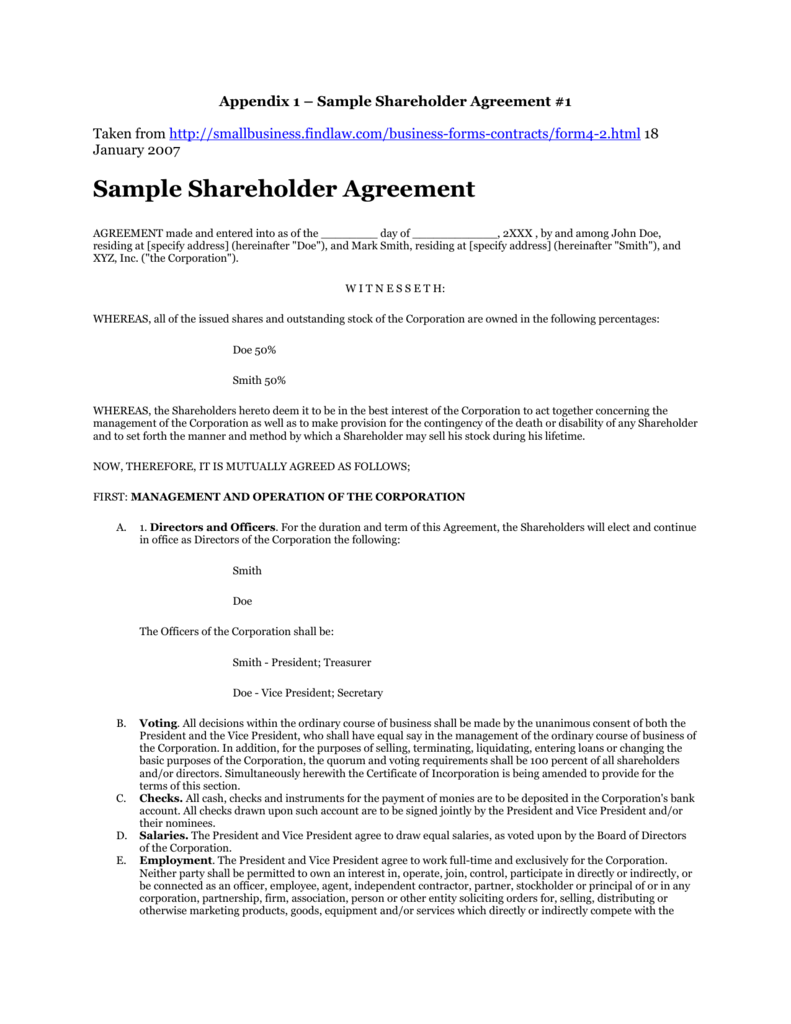
A Unanimous Shareholder Agreement (USA) serves as a foundational document for privately held corporations, meticulously outlining the rights, responsibilities, and restrictions of shareholders. For any business with multiple owners, a well-crafted USA is not just a formality; it's a critical instrument for ensuring smooth operations, preventing disputes, and protecting the interests of all parties involved. This comprehensive guide will explore the intricacies of such agreements, highlighting why having access to a robust Unanimous Shareholder Agreement Template is invaluable for businesses looking to establish clear governance from the outset.
Navigating the complexities of corporate governance can be daunting, especially for burgeoning enterprises. Without a clear framework, disagreements among shareholders can quickly escalate, leading to operational paralysis, legal battles, and ultimately, the potential demise of the company. A USA acts as a pre-nuptial agreement for businesses, anticipating potential points of contention and providing a roadmap for their resolution before they even arise.
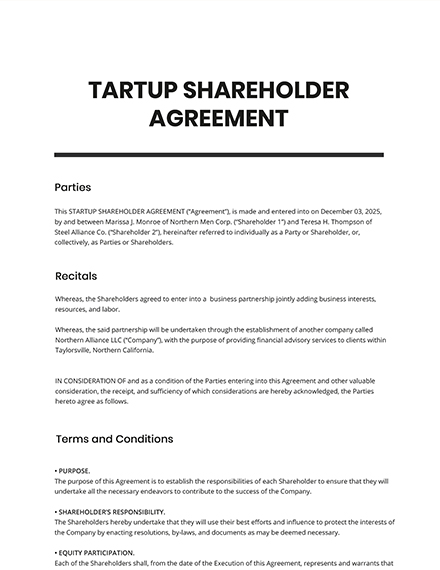
While the prospect of drafting such a detailed legal document might seem overwhelming, a well-designed template significantly simplifies the process. It provides a structured starting point, ensuring that all essential provisions are considered and included, while allowing for customization to fit the unique dynamics of each company. This proactive approach saves time, reduces legal costs, and fosters a more harmonious and productive business environment.

This article aims to demystify the Unanimous Shareholder Agreement Template, breaking down its core components, explaining its benefits, and guiding you through the critical considerations for its effective use. Whether you're a founder, investor, or legal professional, understanding this vital document is paramount for securing the long-term success and stability of any private corporation.
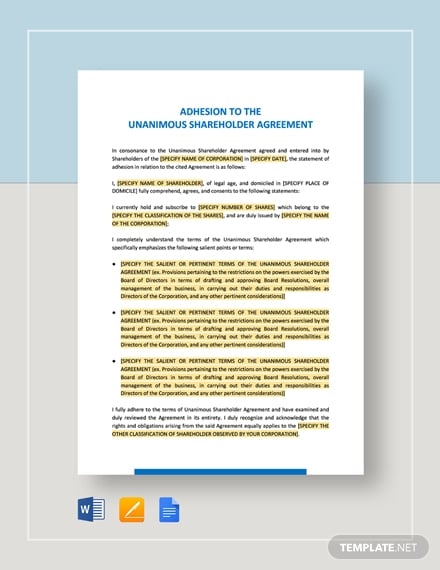
What is a Unanimous Shareholder Agreement (USA)?
A Unanimous Shareholder Agreement (USA) is a contractual agreement among all shareholders of a private corporation, and often the corporation itself. Its primary purpose is to supersede or augment the provisions of the corporation's articles of incorporation, bylaws, and relevant corporate statutes, particularly concerning the management of the corporation's business and affairs. In essence, it allows shareholders to tailor the governance structure and operational rules of their company beyond what standard corporate law dictates.

Unlike simple shareholder agreements that may only bind a subset of shareholders or address specific issues, a USA requires the unanimous consent of all shareholders. This universality is what gives it its unique power and legal weight, often allowing it to dictate matters that would typically fall under the purview of the board of directors. For instance, a USA can restrict the powers of the board, specify how shares can be transferred, set out decision-making processes, and establish mechanisms for resolving disputes.

The legal basis for USAs varies by jurisdiction but is generally enshrined in corporate statutes that recognize the right of shareholders to agree on matters affecting their company. These agreements are particularly prevalent in closely held corporations where shareholders often have a more direct involvement in management and a vested interest in protecting their collective investment and vision for the business.

Why a Unanimous Shareholder Agreement Template is Essential
Utilizing a Unanimous Shareholder Agreement Template offers numerous strategic advantages for businesses, particularly during their formation and early growth stages. It transforms a potentially complex and costly legal drafting process into a more manageable and efficient task, while ensuring comprehensive coverage of critical areas.
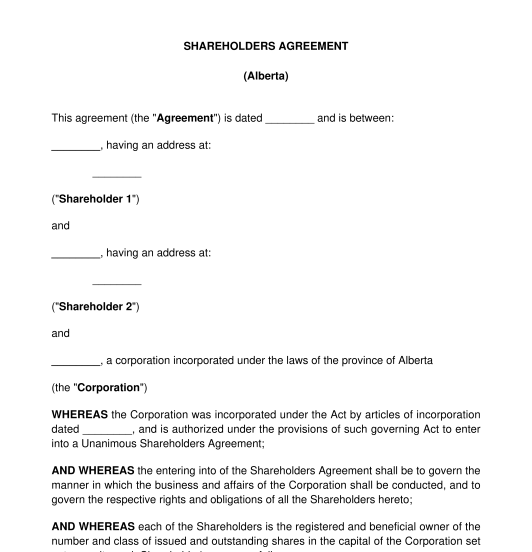
Firstly, a template provides a structured framework, ensuring that no crucial elements are overlooked. It acts as a checklist of standard provisions that are vital for any well-rounded shareholder agreement. This significantly reduces the risk of omissions that could lead to future disputes or legal vulnerabilities.
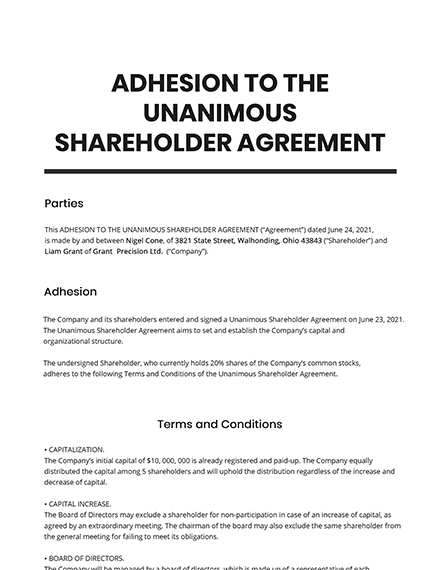
Secondly, it promotes efficiency and cost-effectiveness. Engaging legal counsel to draft a USA from scratch can be a significant expense. While legal review is always recommended, starting with a robust template can drastically reduce the time lawyers need to spend on initial drafting, translating into considerable cost savings for the company.

Thirdly, a template helps in standardizing best practices. Many templates are developed based on common legal requirements and best practices observed across various industries and jurisdictions. This means you're starting with a foundation that incorporates proven strategies for corporate governance and dispute resolution.

Finally, a Unanimous Shareholder Agreement Template fosters clarity and understanding. By presenting common clauses and structures, it helps shareholders understand the various aspects that need to be addressed, facilitating more informed discussions and negotiations among them. This clarity from the outset helps build trust and aligns shareholder expectations, which are crucial for long-term business harmony.

Key Provisions to Include in Your Unanimous Shareholder Agreement Template
A comprehensive Unanimous Shareholder Agreement Template should cover a wide array of provisions designed to manage corporate governance, protect shareholder interests, and provide mechanisms for dealing with future eventualities. Here are some of the most critical elements:

Share Transfer Restrictions
One of the most vital aspects of a USA is controlling who can become a shareholder and under what conditions. This section typically includes:
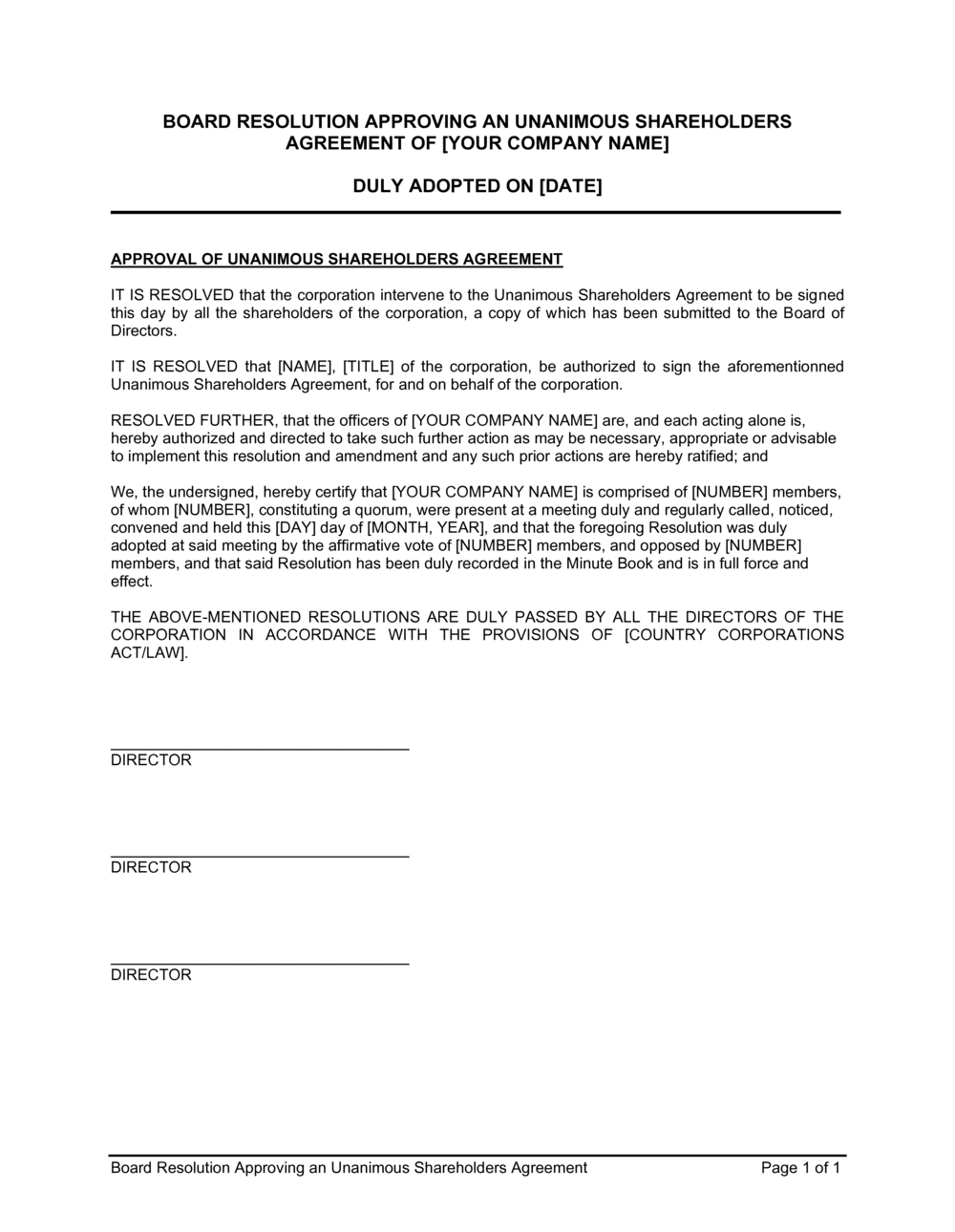
- Right of First Refusal (ROFR): Gives existing shareholders the right to purchase shares from a selling shareholder before they are offered to external parties.
- Co-Sale Rights (Tag-Along Rights): Allows minority shareholders to join in on a sale of shares by a majority shareholder, ensuring they can sell their shares on the same terms.
- Drag-Along Rights: Enables majority shareholders to force minority shareholders to sell their shares if a third-party offer is made for the entire company.
- Prohibited Transfers: Specifies circumstances under which shares cannot be transferred (e.g., to competitors, to individuals who do not meet certain criteria).
Management and Governance
This section details how the company will be managed, often deviating from standard corporate law provisions:
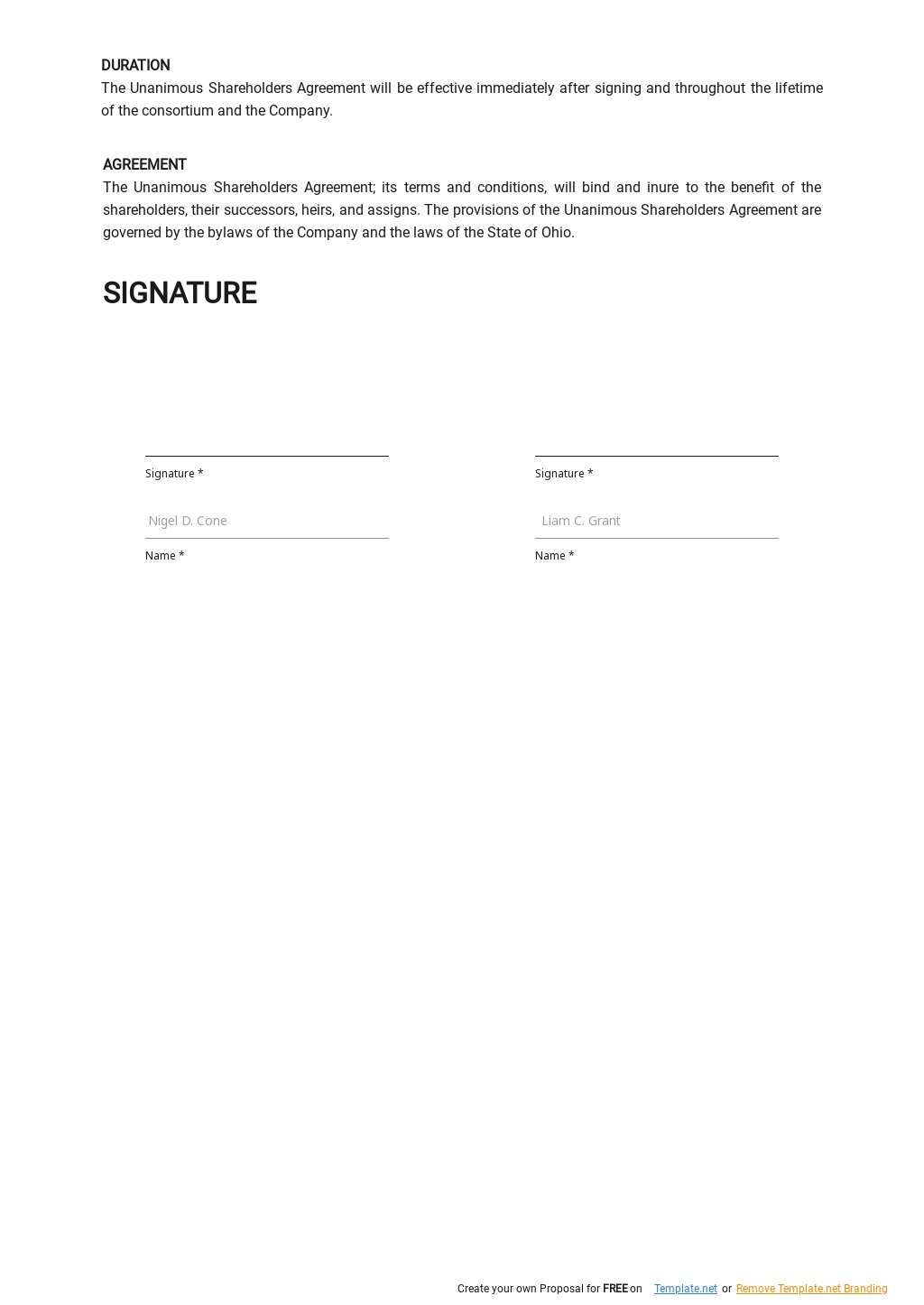
- Board of Directors Composition: Specifies the number of directors, how they are elected, and who can nominate them.
- Quorum and Voting Requirements: Defines the number of directors or shareholders required for meetings and the voting thresholds for specific decisions (e.g., requiring unanimous consent for major decisions).
- Reserved Matters: Identifies certain critical decisions (e.g., issuing new shares, selling significant assets, changing the company's business focus) that require specific, often higher, approval thresholds from shareholders.
Valuation and Buy-Sell Provisions
Anticipating scenarios where shares might need to be bought or sold is crucial. This includes:
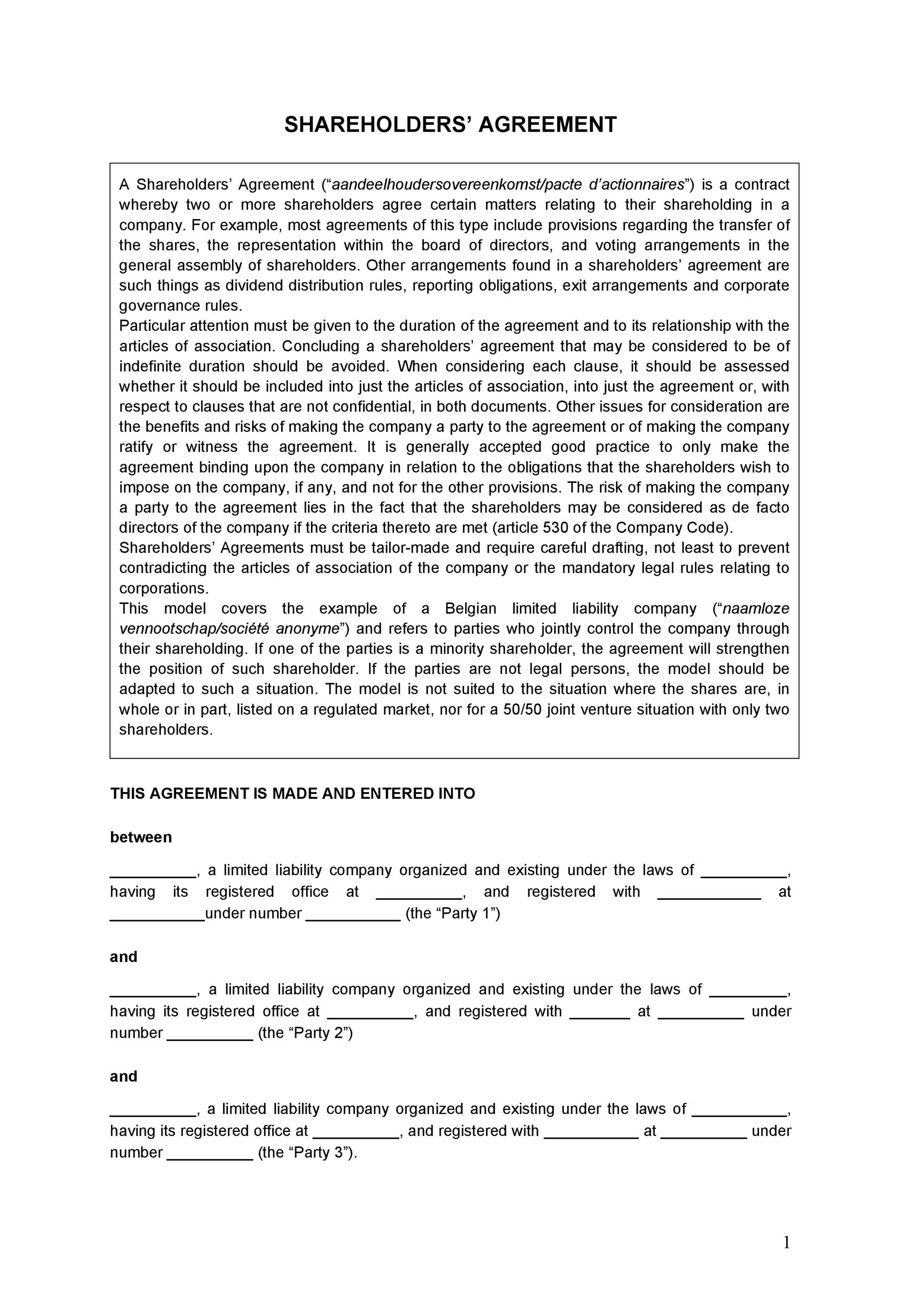
- Share Valuation Mechanisms: Defines how shares will be valued in various scenarios (e.g., using a formula, independent appraisal, fair market value).
- Trigger Events: Outlines specific events that would trigger the buy-back or sale of shares, such as death, disability, termination of employment, bankruptcy, or a shareholder divorce.
- Funding for Buy-Outs: Addresses how the purchase of shares will be financed (e.g., life insurance, company funds, installment payments).
Dispute Resolution
Even with the best intentions, disputes can arise. A USA should provide a clear path for resolving them:
- Mediation and Arbitration: Specifies that disputes must first go through non-binding mediation, followed by binding arbitration, before litigation is pursued.
- Deadlock Provisions: Offers mechanisms to resolve stalemates in decision-making, such as a "shotgun clause" (where one party offers to buy or sell at a certain price, and the other must accept or make the opposite offer) or appointing an independent tie-breaker.
Confidentiality, Non-Compete, and Non-Solicitation
These clauses protect the company's sensitive information and prevent shareholders from competing unfairly:
- Confidentiality: Obligates shareholders to keep company information confidential.
- Non-Compete: Restricts shareholders from engaging in competing businesses for a specified period and geographic area after leaving the company.
- Non-Solicitation: Prevents shareholders from poaching employees or clients after their departure.
Indemnification
This provision outlines the circumstances under which the corporation will protect directors and officers from liabilities arising from their service to the company.
Term and Amendment
- Term: Specifies the duration of the agreement.
- Amendment: Defines the process and required consent (typically unanimous) for making changes to the USA.
Drafting Your Unanimous Shareholder Agreement Template: Best Practices
While a Unanimous Shareholder Agreement Template provides an excellent starting point, effective drafting requires careful customization and adherence to certain best practices.
Tailor to Your Specific Needs
No two companies are exactly alike. Generic templates should always be adapted to reflect the unique dynamics, goals, and risk profiles of your business and its shareholders. Consider the number of shareholders, their roles, their individual stakes, and the specific industry you operate in. What works for a tech startup might not be suitable for a family-owned manufacturing business.
Engage Legal Counsel
This cannot be stressed enough: always have a qualified lawyer review and finalize your Unanimous Shareholder Agreement. While a template helps with structure, a legal professional can ensure the agreement is legally sound, enforceable in your jurisdiction, and accurately reflects your intentions. They can identify potential pitfalls, advise on nuanced legal implications, and ensure compliance with local corporate laws.
Ensure Clarity and Unambiguity
The language used in the agreement must be clear, precise, and unambiguous. Vague or open-ended clauses are fertile ground for future disputes. Every term and condition should be easily understandable by all parties. Use simple, direct language where possible, and define all key terms explicitly.
Plan for Future Scenarios
A good USA is forward-looking. Think about potential scenarios down the line: new shareholders, shareholder exits (voluntary or involuntary), company sale, changes in strategic direction, and market fluctuations. The agreement should provide clear mechanisms for addressing these eventualities.
Regular Review and Updates
Business environments and shareholder relationships evolve. It's advisable to review your Unanimous Shareholder Agreement periodically, perhaps every 2-3 years, or whenever there's a significant change in the company's structure, ownership, or strategic direction. This ensures the agreement remains relevant and effective.
Legal Implications and Enforceability of a Unanimous Shareholder Agreement
The legal power of a Unanimous Shareholder Agreement stems from its ability to effectively reallocate powers typically vested in the board of directors to the shareholders, or to impose restrictions beyond what corporate statutes might mandate.
Binding Nature
Once properly executed, a USA is a legally binding contract among all shareholders and often the corporation itself. This means that its terms are enforceable in a court of law. Crucially, a USA can even bind future shareholders who acquire shares in the company, provided they are given proper notice of the agreement.
Interaction with Corporate Statutes
In many jurisdictions, corporate statutes explicitly permit USAs to override certain provisions of the corporate act or the company's articles and bylaws. This is a powerful feature, allowing shareholders to craft a highly customized governance structure. For example, a USA might require a higher voting threshold for certain decisions than the corporate act, or it might restrict the board's ability to issue new shares without shareholder consent.
Jurisdictional Considerations
The specific rules regarding the scope, content, and enforceability of USAs can vary significantly between different jurisdictions (e.g., states in the U.S., provinces in Canada, or different countries). It is absolutely critical that the agreement is drafted and reviewed with the specific corporate laws of the company's jurisdiction of incorporation in mind. What is valid in one region might be unenforceable in another.
Specific Performance and Damages
If a party breaches the terms of a USA, the aggrieved parties can seek various legal remedies. These can include seeking specific performance (a court order compelling the breaching party to fulfill their obligations) or claiming damages for losses incurred due to the breach. The enforceability clauses within the template should clearly outline these potential remedies.
Conclusion
A Unanimous Shareholder Agreement is an indispensable tool for any private corporation with multiple owners. It serves as the bedrock of corporate governance, providing clarity, stability, and a robust framework for managing shareholder relationships and company operations. By proactively addressing potential conflicts and outlining procedures for key decisions and future eventualities, a well-crafted USA safeguards the interests of all parties and sets the stage for long-term success.
While the concept can seem intricate, leveraging a comprehensive Unanimous Shareholder Agreement Template can significantly streamline the creation process, ensuring that all vital provisions are considered. However, it is paramount that such a template is customized to the specific needs of your business and, most importantly, reviewed and finalized by experienced legal counsel. Investing the time and resources into a strong USA from the outset is a prudent strategic move that protects your company, your shareholders, and your collective vision for the future.
0 Response to "Unanimous Shareholder Agreement Template"
Posting Komentar